When you book a Clubhouse Farm visit, it is important to review the documents Inherent Risk, Handout for School Volunteers, and Big Yellow Bus Parking.
Upon arrival, the group is greeted by the Clubhouse Farmers. We’ll guide you to the areas for hanging backpacks, pointing out a few important places along the way.
Teacher and school volunteer supervision is a necessity for a safe and educationally valuable visit. The Clubhouse Farmers facilitate activities, and participating students must be under the supervision of a teacher or school volunteer at all times. Adults attend the facilitated activities within ratio to the children. During free exploration activities, children are shown the permitted boundary, adults must spread out and use the perimeter for supervision as the children are always on the move, and it is a very large space.
Learning Ideas
Many of the seasonal activities at the Farm align well with curriculum content. Depending on the theme you are currently working on, we may be able to facilitate extended learning opportunities – if you have questions, please ask, we are here to support educators in the outdoor classroom.
Find details below on seasonal activities for study opportunities and curricular connection ideas. Each season has a general list of activities, but there will be variation based on what nature is providing.
What you’ll find here
Yearly
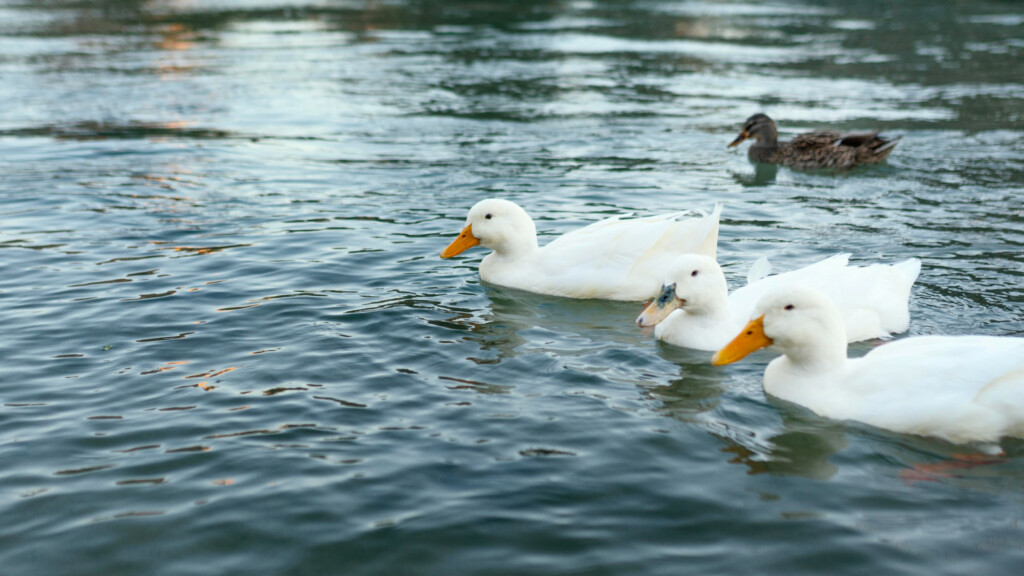
Ducks
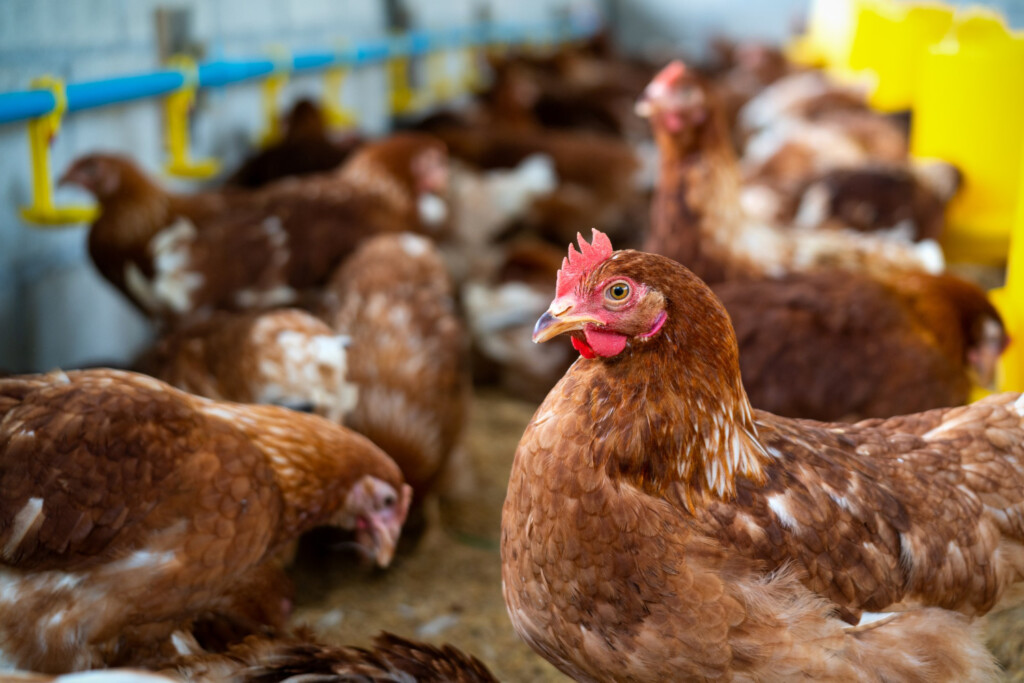
Chickens
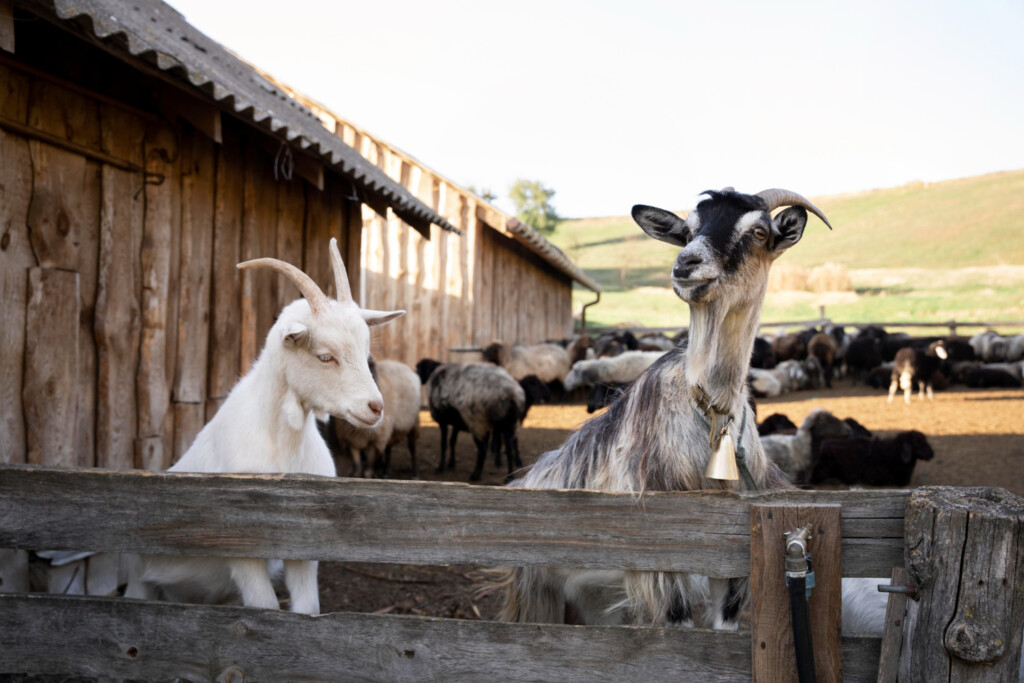
Goats
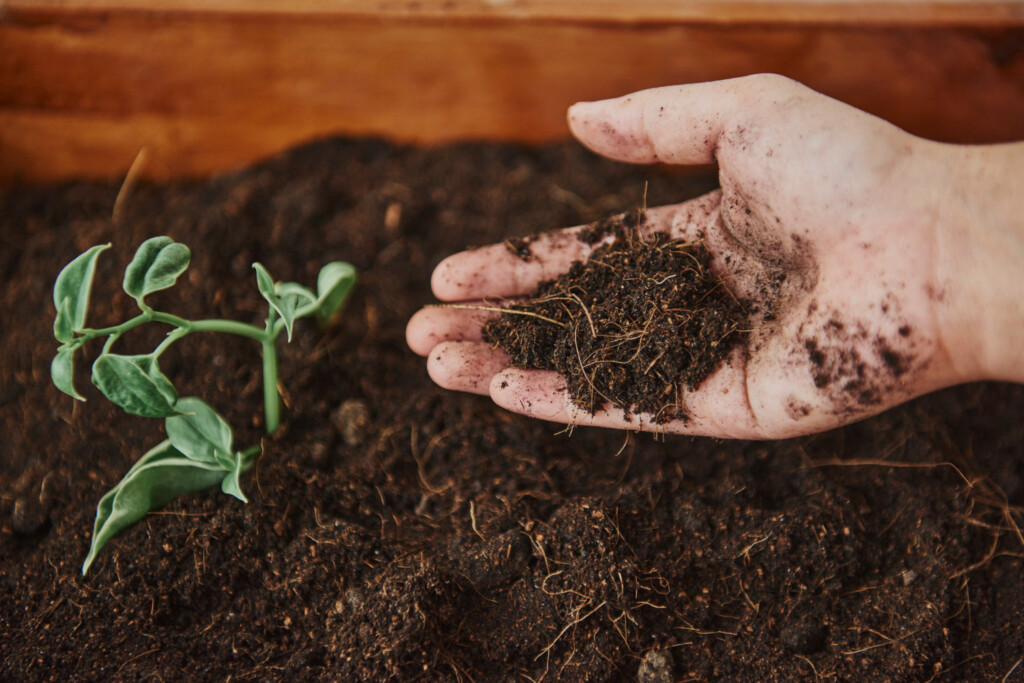
Compost
Vermiculture
Autumn
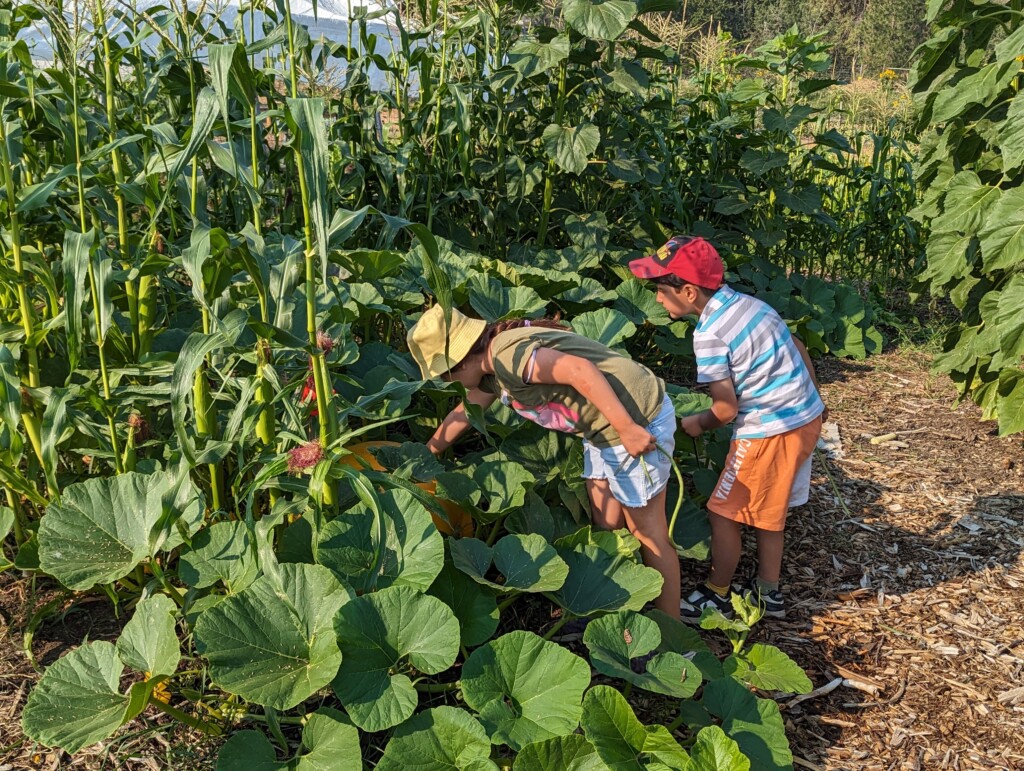
Harvest
Apples
Pumpkins
Sunflowers
Winter
Harvesting vines for wreaths
Winter Greenery Harvest
Owl Pellets
Fire Starting
Wildlife
Spring
Planting
Foraging nettle
Chickens
Pigs
Summer
Herbal Teas
Flower Printing
Harvesting
Activity Resources
Explore our collection of themed resources for educators. Each topic will include preparation notes, activity ideas, discussion prompts, and suggestions for extending learning in the classroom.
Ducks
Pre-teaching ideas, farm visit activities, and classroom follow-up resources related to ducks.